The History of Spólnota
From humble beginnings in 1934 to becoming a European leader in wooden furniture — discover the remarkable journey of solidarity, craftsmanship, and collective vision that has shaped Spólnota for over 90 years.
A cooperative doesn't ask 'How much profit can we extract?' but 'How can we build something that benefits everyone and lasts for generations?' That's the Spólnota way.
The Founding Story
From humble beginnings in the Beskids mountains to becoming a European leader in wooden furniture, Spólnota's journey is one of solidarity, craftsmanship, and collective vision.
The Visionary Initiative
Father Franciszek Stefan Czarnecki
On October 12, 1934, Father Czarnecki founded 'Małopolski Przemysł Chalupniczy' cooperative in Krakow to protect small artisans from speculators and improve their prosperity through collective work.
The Biała Production Center
Establishment in the Beskids
In 1936, a wood products center was established in Biała, producing boards and employing local workers. It quickly became a cornerstone of the economy, providing stable jobs.
Among the founding shareholders: Jan Kanty Kwaśny (director), Ludwik Kaczmarczyk, Jan Pyka, Józef Wołny, and many dedicated craftsmen.
Birth of 'Spólnota'
Unity in difficult times
In 1943, 'Małopolski Przemysł Chalupniczy' merged with the Firefighters' Cooperative, adopting the name 'SPÓLNOTA' — meaning community and solidarity. About 20 workers stayed committed through wartime.
Post-War Reconstruction
A new beginning
After liberation in January 1945, 20 workers remained at the cooperative. Despite challenges, they rebuilt and expanded, laying the foundation for decades of growth.
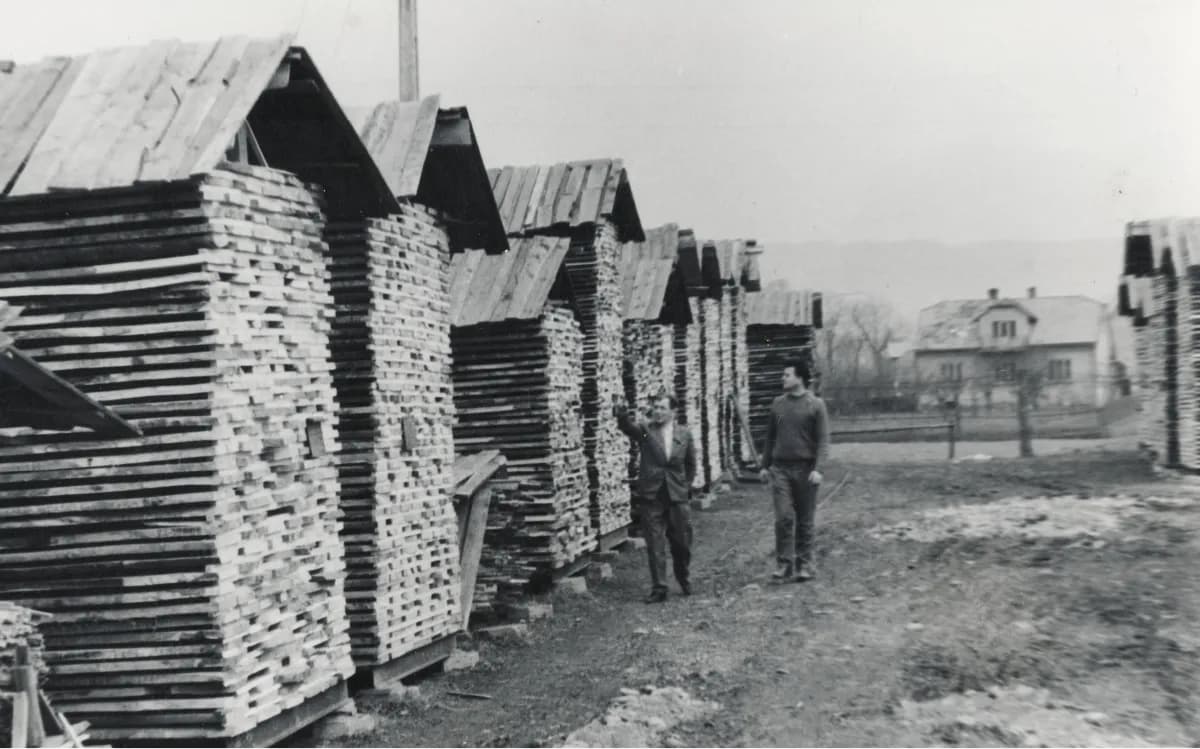
The original Biała workshop in the 1940s, where it all began
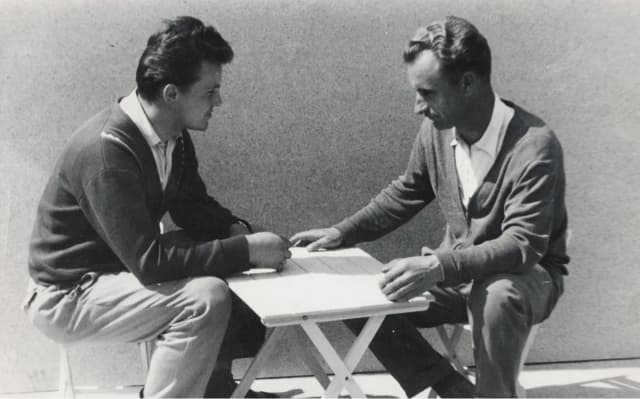
Artisans of the 1940s — pioneers of collective craftsmanship
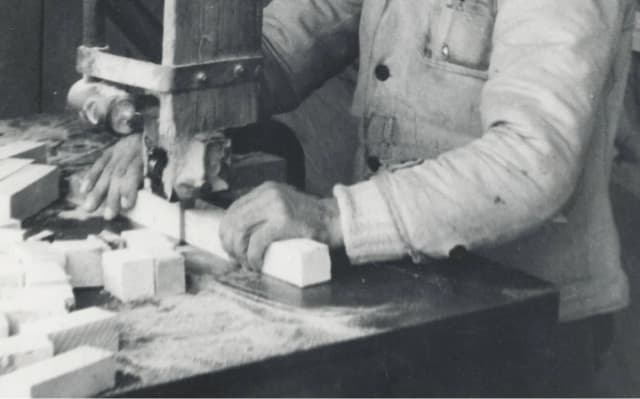
Hand-crafted boards and tools from the early years
We were united not only by our love for wood, but by a shared belief that together, we could build something greater than ourselves — a community rooted in fairness, quality, and enduring craftsmanship.
Kazimierz Skrzypek, Founding Director of Biała Workshop
75 years of wood mastery
The beginnings
Birth of the Work Cooperative
Founded in Białka as a woodwork cooperative producing furniture, toys, and sleds for the local market. Rooted in Beskids tradition since day one.
Industrialization and specialization
Growth in production capacity
Workshop modernization enabled larger-scale production of camping furniture and iconic 'Tatry' and 'Yaro' sleds. First exports to Europe began.
International expansion
One of Europe's largest producers
Became Europe's largest solid wood deckchair producer, exporting 90% to France, Germany, and Scandinavia. FSC, TÜV, FCBA certifications obtained.
Ecological transition and diversification
Environmental responsibility
Eco-responsible production with FSC certified wood and ecological lacquers. Launch of advertising deckchairs and expansion into children's furniture.
Digital transformation and innovation
Modernization and global reach
Digital transformation with new branding, e-commerce, and acoustic panels. Strengthened sustainability commitment while maintaining artisanal quality.
Sustainable growth ahead
Vision for tomorrow
Combining traditional craftsmanship with innovative design, expanding reach while deepening environmental responsibility and community values.
Historic Milestones
Key moments that shaped Spólnota's journey from a local workshop to a European leader in wooden furniture.
New Factory Construction
In less than 3 months (January–March 1950), cooperative workers built a brand new production facility including offices and workshops through collective community effort.
Official Foundation
On August 25, 1951, at a founding meeting in Biała, the 'Drzewna Spółdzielnia Pracy Spólnota' (Spólnota Wood Work Cooperative) was officially established as an independent entity.
First Youth Brigade
The first 'brigade of young women' began working at the cooperative, marking a new era of inclusive employment and skills development for the local community.
Acquisition of 'Beskid'
On July 1, 1963, Spólnota acquired the 'Beskid' Work Cooperative in Spytkowice, adding 135 workshop employees and 17 contract workers, significantly expanding production capacity.
Workshop Modernization
In December 1971, a complete modernization of Factory No. 1 was completed, introducing heated facilities, modern sanitary installations, and enhanced fire safety standards.
25th Anniversary Celebration
Spólnota celebrated 25 years of cooperative success, with approved investment limits of approximately 5 million złotys thanks to provincial and central government support.
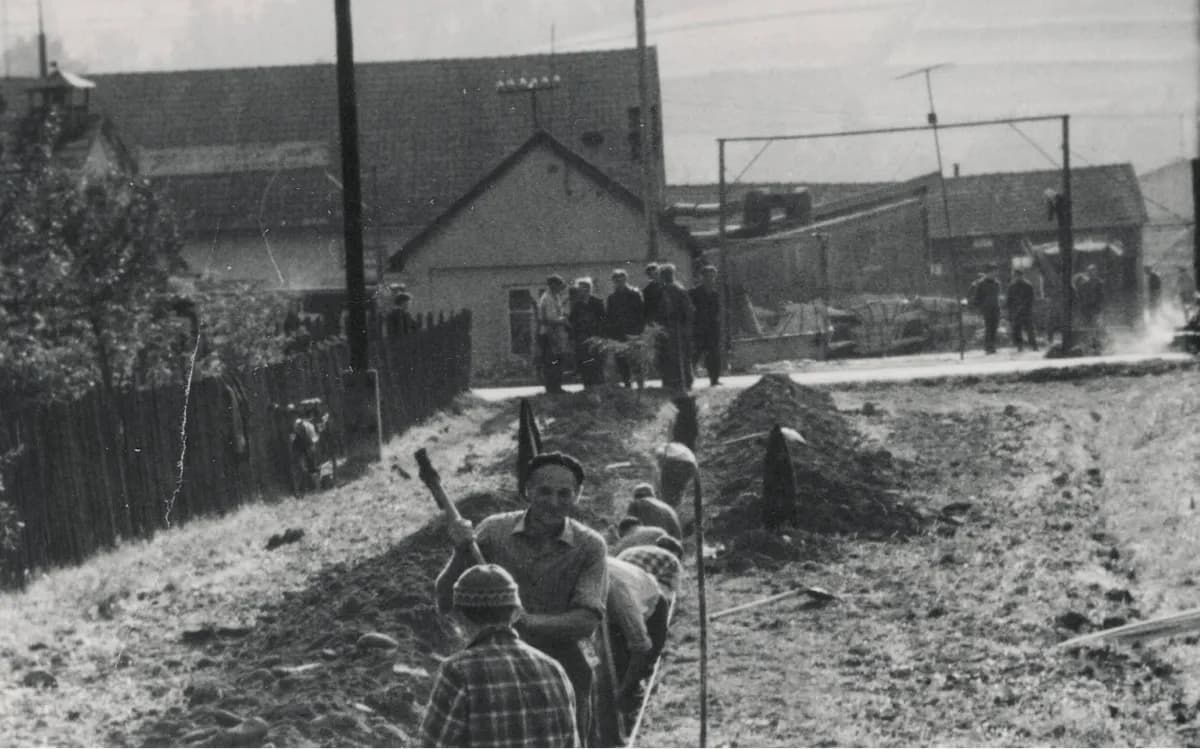
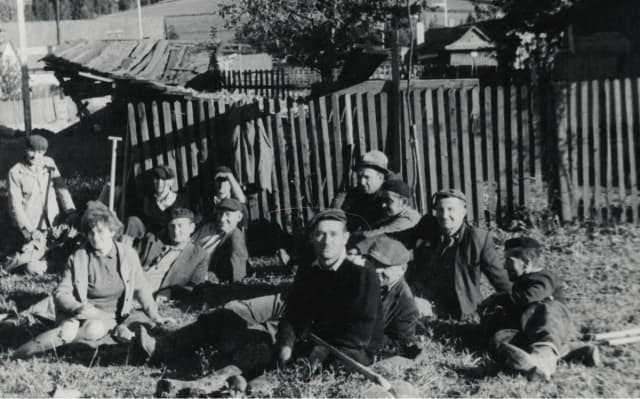
Workers building the new factory together — a testament to collective determination
The Power of Community Construction
In early 1950, faced with inadequate facilities, cooperative workers decided to build a new factory themselves. In an extraordinary display of solidarity and dedication, they completed the entire construction — including offices and workshops — in less than three months through collective labor.
What they achieved:
- Complete factory building with offices and production halls
- Modern machinery installation and workshop setup
- Gravitational water supply system extending 1.5 km to Factory No. 1
- Infrastructure benefiting surrounding residential areas
The Spólnota Values
For over 75 years, Spólnota has been guided by the timeless principles of cooperative work: solidarity, shared prosperity, and community engagement. These values aren't just words — they're embedded in everything we do.
Solidarity & Mutual Support
Every member of our cooperative matters. We believe in collective decision-making, shared responsibility, and supporting one another through challenges and successes alike.
In practice: During the 1950 factory construction, all workers contributed labor voluntarily to build a better future together.
Collective Work & Ownership
Spólnota belongs to its workers. Profits are reinvested in the cooperative, better working conditions, and community development — not extracted by external shareholders.
In practice: Investment decisions are made collectively, ensuring that growth benefits everyone in the cooperative.
Community Engagement
We're deeply rooted in Biała and the surrounding region. Our success is inseparable from the wellbeing of our local community.
In practice: Spólnota has supported local schools, sports clubs, cultural events, and infrastructure projects for decades.
Honoring Tradition
We carry forward generations of Beskids woodworking heritage, preserving artisanal techniques while adapting to modern demands.
In practice: Many of our craftsmen learned their skills from family members who worked at Spólnota before them.
Continuous Innovation
Respect for tradition doesn't mean stagnation. We constantly modernize our methods, embrace new technologies, and expand our product lines.
In practice: From hand tools in the 1950s to CNC machines today — always evolving without losing our soul.
Environmental Responsibility
Long before 'sustainability' became a buzzword, cooperatives practiced it naturally: building to last, minimizing waste, respecting resources.
In practice: Our FSC certification and zero-waste production reflect decades-old cooperative values applied to modern ecology.
The Cooperative Heritage
Spólnota's cooperative model isn't just a business structure — it's a philosophy of work, community, and shared prosperity that has endured for over 75 years. Unlike profit-driven corporations, cooperatives prioritize people, quality, and long-term sustainability over quarterly returns.
Democratic governance: Workers have a voice in major cooperative decisions
Shared prosperity: Profits reinvested in equipment, conditions, and community
Long-term thinking: Building for decades, not quarterly reports
Local roots: Deeply embedded in Biała and Beskids for 75+ years
Social responsibility: Supporting local education, sports, and culture